

Who This Article Is Written For
This article is not for people browsing job titles.
It is written for:
- Professionals planning long-term salary growth
- QA engineers, testers, developers, and analysts feeling career stagnation
- Non-IT professionals who want low-risk entry into tech
- Anyone who wants to stay employable beyond 2026
If you want income stability and growth, read carefully.
Why Most Tech Careers Will Plateau by 2026
The Entrepreneur article makes a powerful argument:
Strategies fail when they rely on what worked before.
Tech careers fail the same way.
Many professionals still depend on:
- Manual execution
- Tool-only expertise
- Repetitive workflows
In 2026, companies will not pay premium salaries for effort.
They will pay for impact, speed, and risk reduction.
That is why the highest-paying tech jobs are shifting.
Don’t Miss Out: manual testing interview questions
The New Formula Behind High-Paying Tech Roles
Forget job titles.
High-paying tech careers in 2026 follow one formula:
Automation + Intelligence + Business Impact
Every role below fits that equation.
1. GenAI Engineer for QA & Testing
Why this role pays more than traditional QA
Testing has moved from validation to prediction.
GenAI-enabled QA engineers:
- Generate test cases automatically
- Identify risky code areas before failure
- Reduce regression cycles dramatically
Companies pay more because these engineers:
- Save release time
- Reduce production failures
- Scale quality without increasing team size
This role outperforms traditional test engineers in both salary and longevity.
2. Test Automation Architect (Selenium & Playwright)
Why framework designers earn more than automation coders
Automation alone is not valuable.
Bad automation increases cost.
Automation Architects:
- Design scalable test frameworks
- Integrate automation with CI/CD pipelines
- Ensure long-term maintainability
Selenium and Playwright dominate enterprise automation because they are stable, flexible, and widely adopted.
Professionals who design systems—not scripts—earn significantly higher pay.
3. Site Reliability Engineer (SRE)
Why reliability is now a premium skill
Downtime is no longer acceptable.
SREs focus on:
- System uptime
- Performance optimization
- Failure prevention
They combine development, automation, and operations.
Businesses pay more because reliability directly protects revenue.
Also, Know More About: selenium interview questions
4. DevSecOps Engineer
Why security merged with DevOps
Security can no longer be added later.
DevSecOps engineers:
- Embed security into CI/CD pipelines
- Automate vulnerability scanning
- Reduce compliance risk
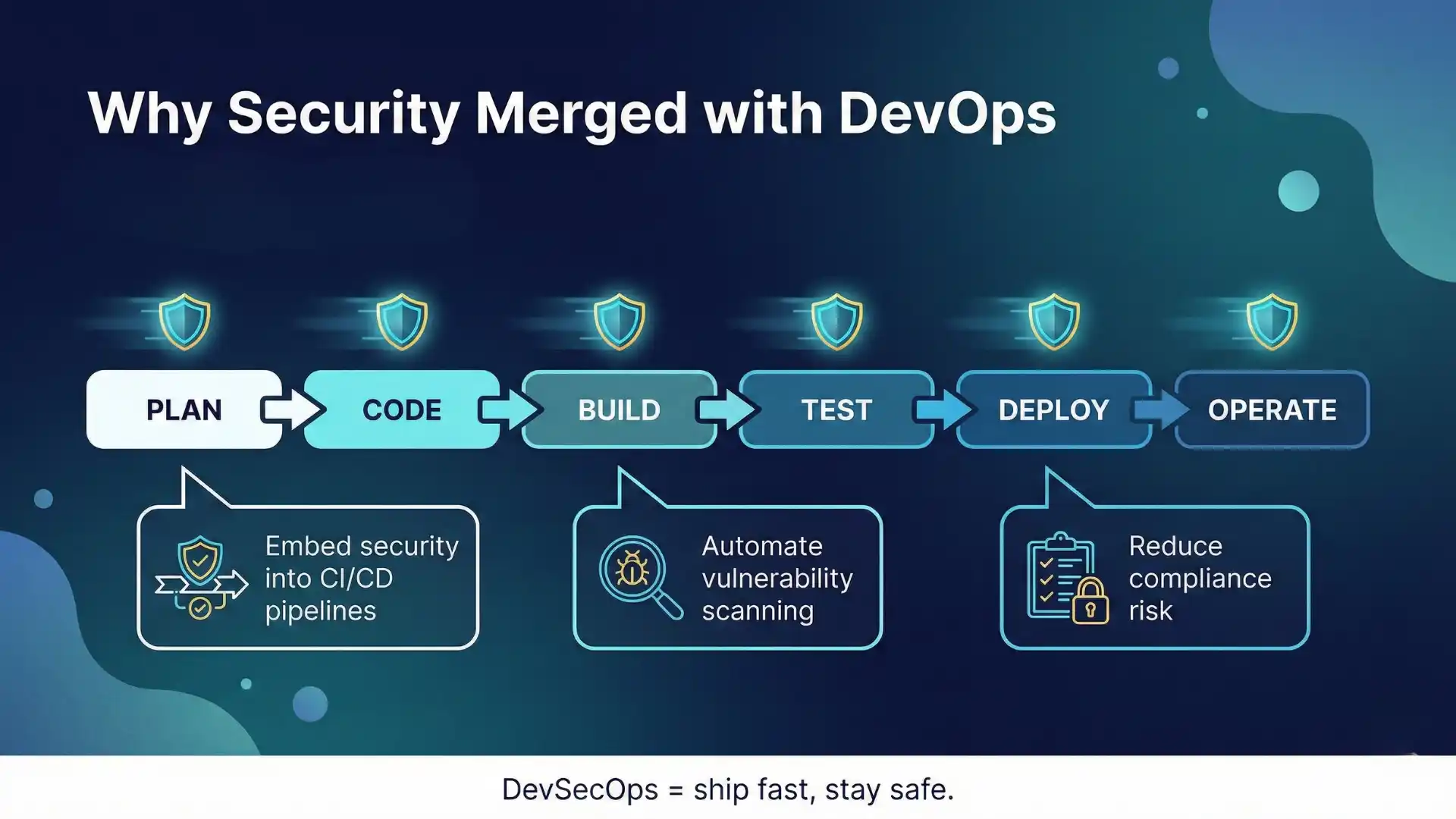

This role pays more because it prevents legal, financial, and reputational damage.
5. Cybersecurity Analyst & Engineer
Why cybersecurity salaries keep rising
Threats evolve daily.
Regulations are stricter.
Breaches are public.
Cybersecurity professionals:
- Protect sensitive data
- Monitor real-time threats
- Ensure compliance
The cost of one failure is massive, which is why companies invest heavily here.
6. Data Scientist (Decision-Driven, Not Report-Driven)
Why analytics alone is no longer enough
Companies do not need dashboards.
They need decisions.
High-paying data scientists:
- Predict outcomes
- Influence leadership decisions
- Optimize revenue and operations
Those who understand business context earn far more than those who only analyze data.
7. AI & Automation Product Specialist
Why hybrid roles are rising fast
This role sits between:
- Engineering
- Business
- Automation
They translate business problems into AI-driven solutions.
Hybrid professionals earn more because they reduce communication gaps and speed execution.


8. Cloud Security Engineer
Why cloud knowledge alone is insufficient
Cloud adoption is universal.
Cloud security expertise is rare.
These professionals:
- Secure cloud infrastructure
- Prevent misconfigurations
- Ensure compliance
High demand + low supply = higher salaries.
9. Performance & Scalability Engineer
Why speed equals money
Slow applications lose users.
Performance engineers:
- Identify bottlenecks
- Optimize system scalability
- Ensure peak-load stability
Their work directly affects user experience and revenue.
10. IT Gateway Roles (Non-IT to IT Professionals)
Why structured transitions outperform traditional paths
Companies prefer:
- Job-ready professionals
- Practical skills
- Industry-aligned training
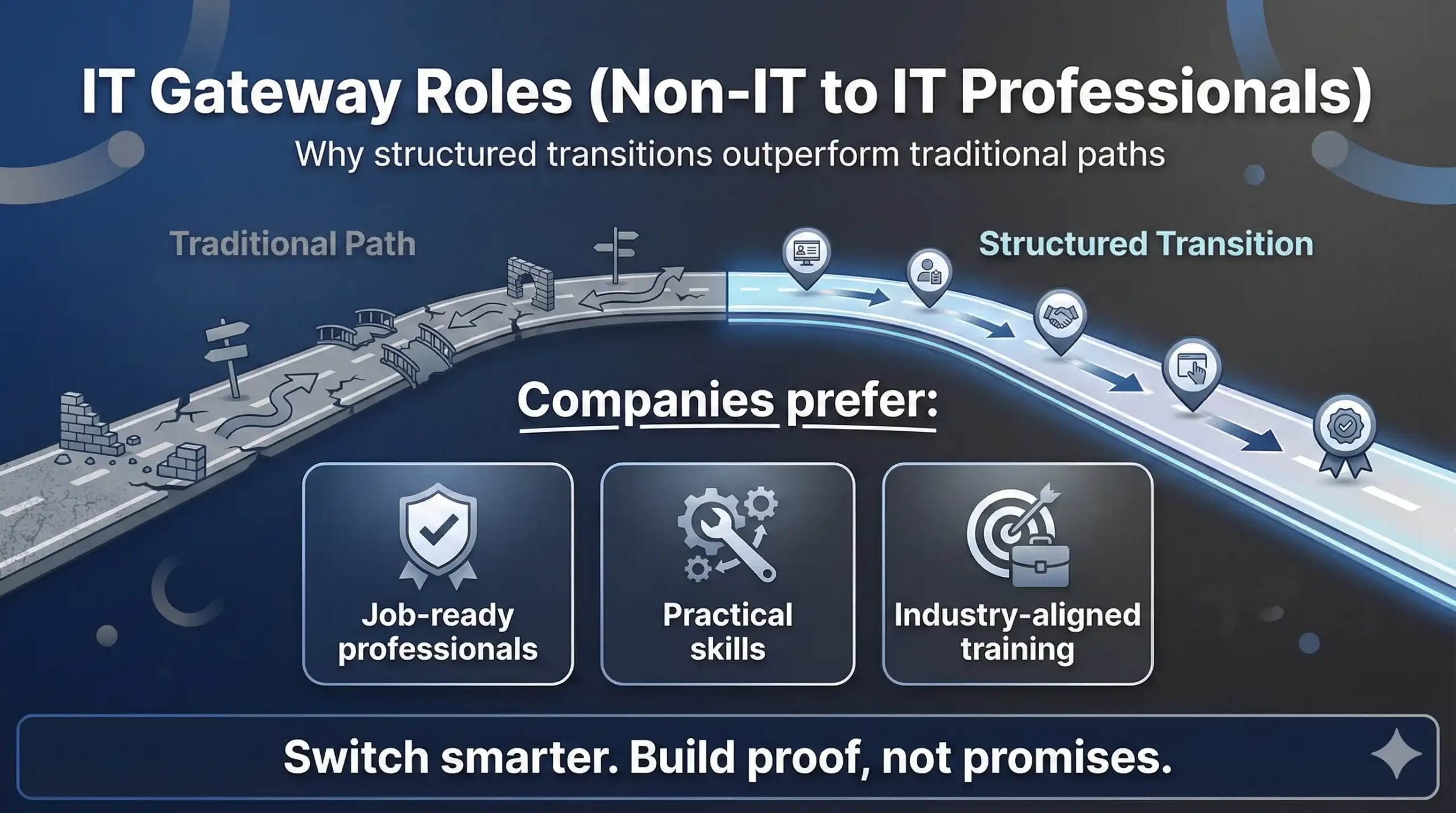

Professionals entering tech through structured IT Gateway programs often grow faster than traditional freshers.
This path reduces hiring risk and accelerates productivity.
Salary Outlook for Highest Paying Tech Jobs in 2026
Indicative salary ranges based on industry trends, demand, skill depth, and real-world hiring patterns. Actual compensation varies by experience, location, and specialization.
Indicative Salary Range by Role (2026)
| Job Role | Salary Range – India (₹ LPA) | Salary Range – Global (USD) |
|---|---|---|
| GenAI Engineer for QA & Testing | ₹12 – ₹28 LPA | $90,000 – $160,000 |
| Test Automation Architect (Selenium / Playwright) | ₹10 – ₹25 LPA | $85,000 – $150,000 |
| Site Reliability Engineer (SRE) | ₹14 – ₹30 LPA | $100,000 – $170,000 |
| DevSecOps Engineer | ₹12 – ₹27 LPA | $95,000 – $165,000 |
| Cybersecurity Engineer | ₹10 – ₹26 LPA | $90,000 – $160,000 |
| Cloud Security Engineer | ₹13 – ₹28 LPA | $100,000 – $175,000 |
| Data Scientist (Business-Focused) | ₹11 – ₹30 LPA | $95,000 – $170,000 |
| AI & Automation Product Specialist | ₹15 – ₹32 LPA | $105,000 – $180,000 |
| Performance & Scalability Engineer | ₹10 – ₹24 LPA | $85,000 – $150,000 |
| Automation-Focused QA Lead / SDET | ₹9 – ₹22 LPA | $80,000 – $140,000 |
| IT Gateway Roles (Non-IT to IT – Entry to Mid) | ₹5 – ₹12 LPA | $55,000 – $95,000 |
Continue Reading: epam interview questions
What Separates High-Paying Roles from Average Ones
Across all these roles, four traits repeat:
- Automation over manual effort
- Intelligence over execution
- Risk reduction over task completion
- Continuous learning over static skills
This mirrors the Entrepreneur article’s core insight:
What does not evolve, collapses.
Why These Roles Align with Market Reality
These jobs exist because they:
- Save companies money
- Reduce operational risk
- Improve speed to market
- Enable scalable growth
Salary follows business value, not popularity.
How to Prepare for These Careers
To move into these roles, professionals must focus on:
- Real-world automation tools
- AI-assisted workflows
- Security-first thinking
- Production-level practices

That is why Testleaf focuses on:
- GenAI for QA Engineers
- Selenium & Playwright Automation
- Cybersecurity foundations
- Data Science career tracks
- IT Gateway programs
These programs align with market demand, not outdated curricula.
Final Thought: Careers That Adapt Will Always Win
In 2026:
- Titles will change
- Tools will evolve
- AI will accelerate everything
But professionals who combine automation, intelligence, and business impact will always stay ahead.
The highest-paid tech professionals do not chase trends.
They prepare before the shift becomes obvious.
Ready to Move Into These High-Paying Tech Roles?
If you are serious about building a career in AI in software testing, Selenium automation testing, cybersecurity course online, data science, or transitioning from non-IT to IT, the next step is structured, job-ready learning. These roles demand practical skills, real-world tools, and industry-aligned training—not just theory. To explore programs designed specifically for current market needs, visit the All Courses page at Testleaf. Each program is built to help professionals move from learning to real-world application faster, with skills that remain relevant well beyond 2026.
FAQs
1. What are the highest paying tech jobs in 2026?
The highest paying tech jobs in 2026 include GenAI engineers, automation architects, cybersecurity engineers, cloud security specialists, data scientists, SREs, and DevSecOps professionals due to their high business impact.
2. Which tech skills will be most in demand in 2026?
Skills related to GenAI, test automation, cybersecurity, cloud security, data-driven decision-making, and performance engineering will be most in demand as companies focus on automation, intelligence, and risk reduction.
3. Are automation testing and QA still high-paying careers?
Yes. QA professionals with skills in Selenium, Playwright, GenAI-driven testing, and automation architecture earn significantly higher salaries compared to traditional manual testers.
4. Can non-IT professionals get high-paying tech jobs?
Yes. With structured IT Gateway programs and job-ready training, non-IT professionals can transition into automation, testing, data, and security roles with strong salary growth potential.
5. How do I prepare for high-paying tech roles in 2026?
Focus on practical, industry-aligned skills such as automation frameworks, AI-assisted workflows, cybersecurity fundamentals, and real-world project experience rather than tool-only or theoretical learning.
We Also Provide Training In:
- Advanced Selenium Training
- Playwright Training
- Gen AI Training
- AWS Training
- REST API Training
- Full Stack Training
- Appium Training
- DevOps Training
- JMeter Performance Training
Author’s Bio:


Content Writer at Testleaf, specializing in SEO-driven content for test automation, software development, and cybersecurity. I turn complex technical topics into clear, engaging stories that educate, inspire, and drive digital transformation.
Ezhirkadhir Raja
Content Writer – Testleaf