The DevOps Engineer role is one of the most misunderstood positions in modern technology teams.
Ask ten companies for a DevOps job description and you’ll likely get ten different answers—ranging from “someone who manages Jenkins” to “a cloud engineer who also knows Kubernetes.” This confusion isn’t accidental. DevOps was never meant to be a job title in the first place; it was a way of working.
Yet today, DevOps Engineers are real, in demand, and critical to how high-performing organizations deliver software.
This article goes beyond generic checklists. Instead of repeating tool names, we’ll unpack what DevOps Engineers actually do, why those responsibilities exist, and which skills create long-term career relevance, not short-term employability.
Why Most DevOps Job Descriptions Miss the Point
If you analyze competitor content—whether from training companies or career portals—you’ll notice a pattern:
- Long lists of tools
- Broad responsibilities without context
- Very little explanation of why the role exists
Most articles answer “What does a DevOps Engineer use?”
Very few answer “What problem does a DevOps Engineer solve?”
That’s where trust is built.
At its core, DevOps exists to solve flow problems in software delivery:
- Slow releases
- Fragile deployments
- Production instability
- Organizational silos
A DevOps Engineer is responsible for engineering systems that reduce friction between code and customers.
Don’t Miss Out: playwright interview questions
The Real DevOps Engineer Job Description (Beyond the Buzzwords)
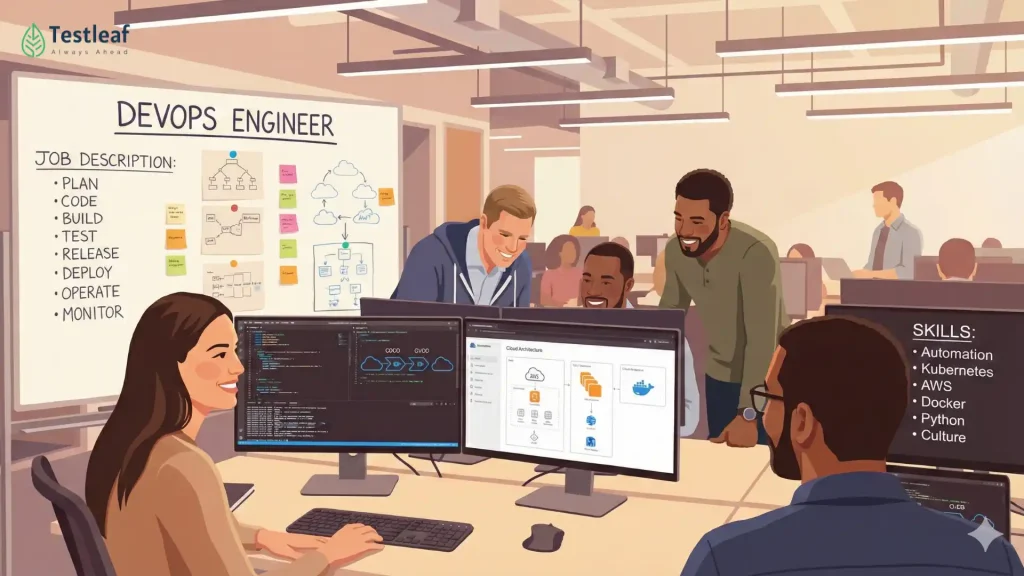
A DevOps Engineer designs, builds, and maintains the delivery ecosystem that allows software teams to ship changes frequently, safely, and predictably.
This ecosystem includes people, processes, and platforms—not just pipelines.
High-performing DevOps Engineers are measured less by how many tools they know and more by outcomes such as:
- Deployment frequency
- Mean time to recovery (MTTR)
- Change failure rate
- System reliability under scale
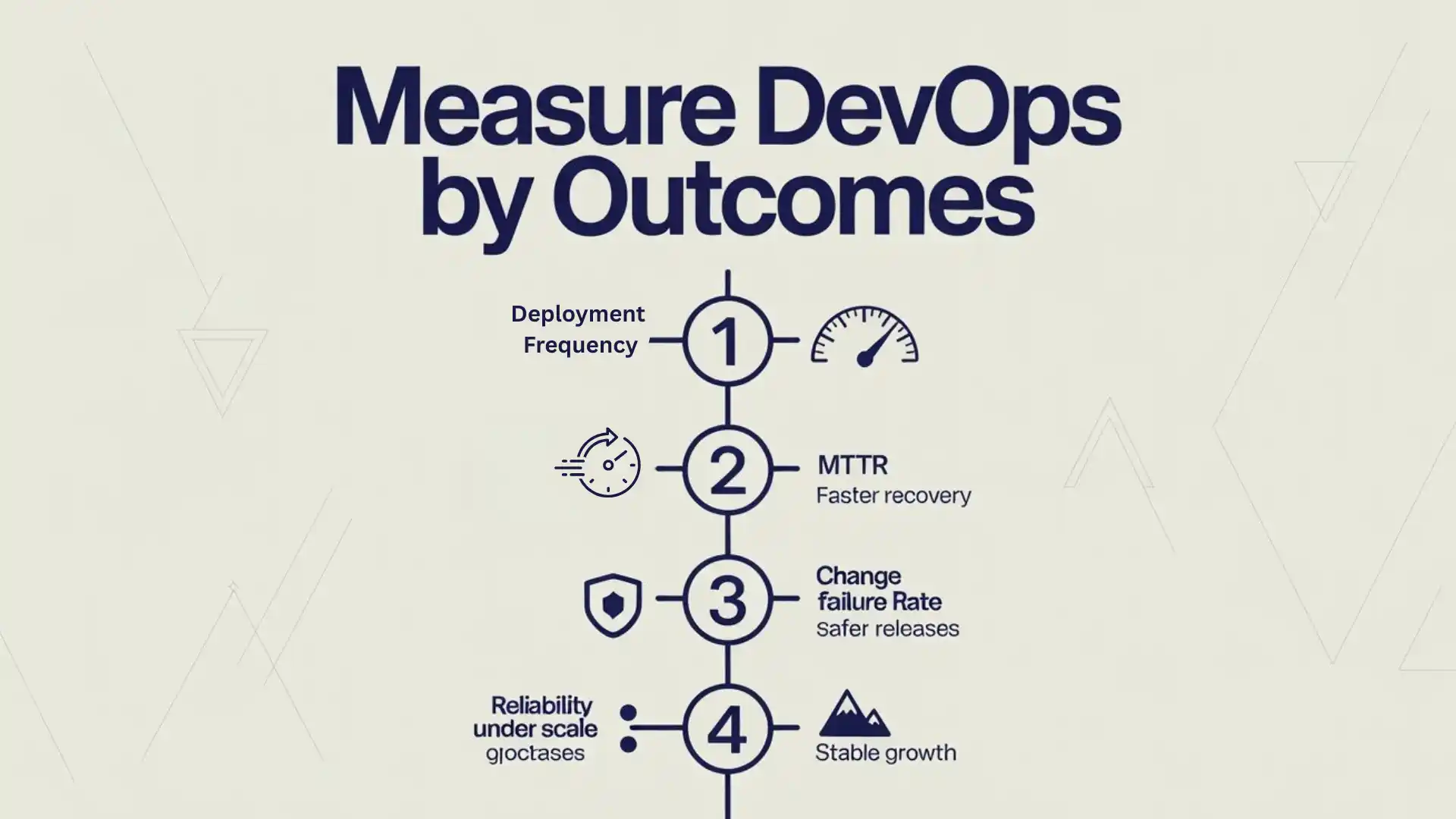
These metrics are widely recognized through industry research like the DORA reports, which consistently show that organizations investing in DevOps capabilities outperform competitors on speed, stability, and customer satisfaction.
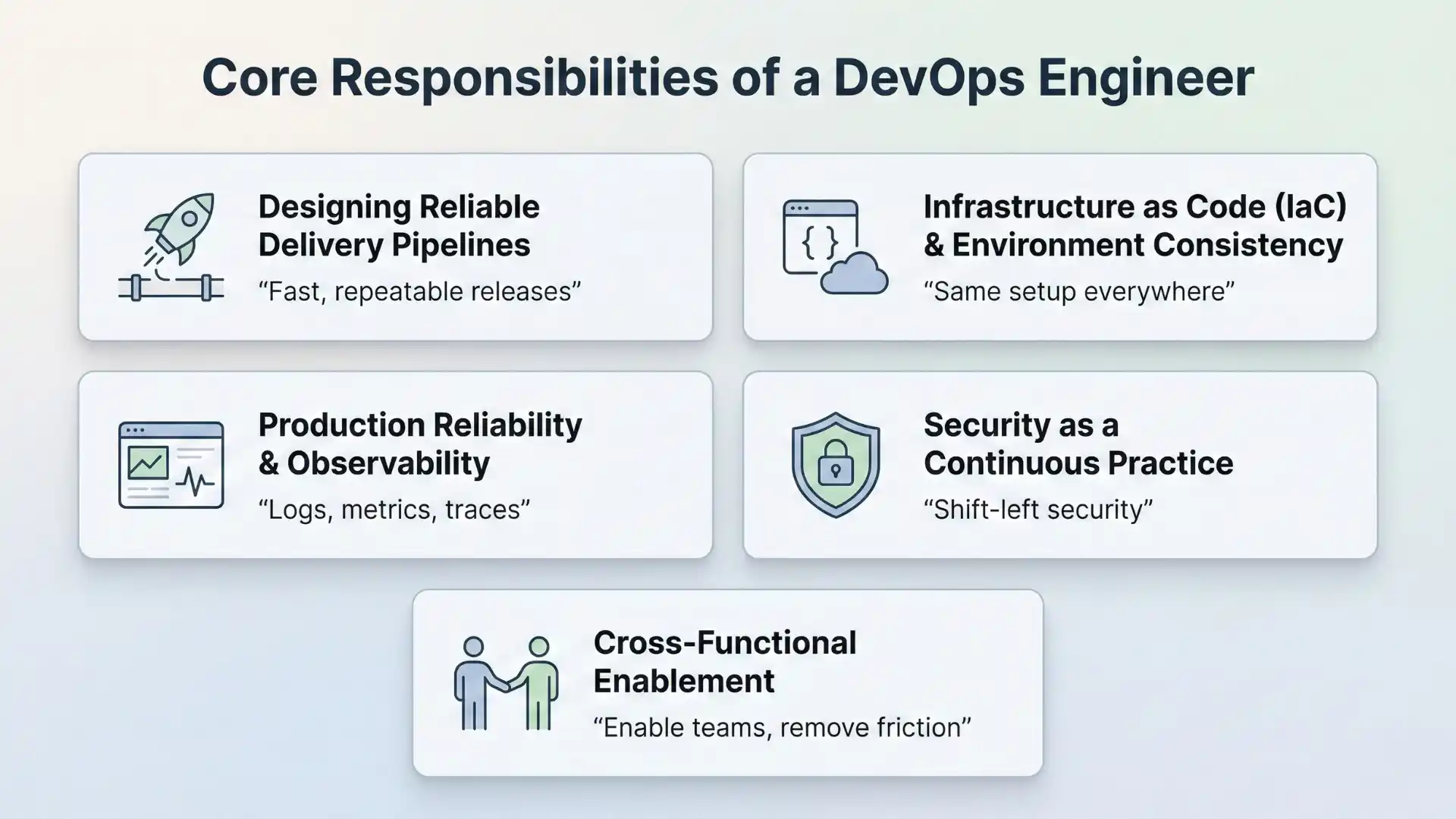
Core Responsibilities of a DevOps Engineer
1. Designing Reliable Delivery Pipelines
DevOps Engineers are responsible for building CI/CD pipelines that do more than “run builds.”
A mature pipeline:
- Enforces quality gates automatically
- Integrates security early (DevSecOps)
- Supports rollback and recovery strategies
- Enables rapid experimentation without chaos
This responsibility exists because manual releases do not scale—and every human step introduces risk.
2. Infrastructure as Code (IaC) and Environment Consistency
Modern DevOps Engineers treat infrastructure as versioned software, not manual configuration.
Responsibilities include:
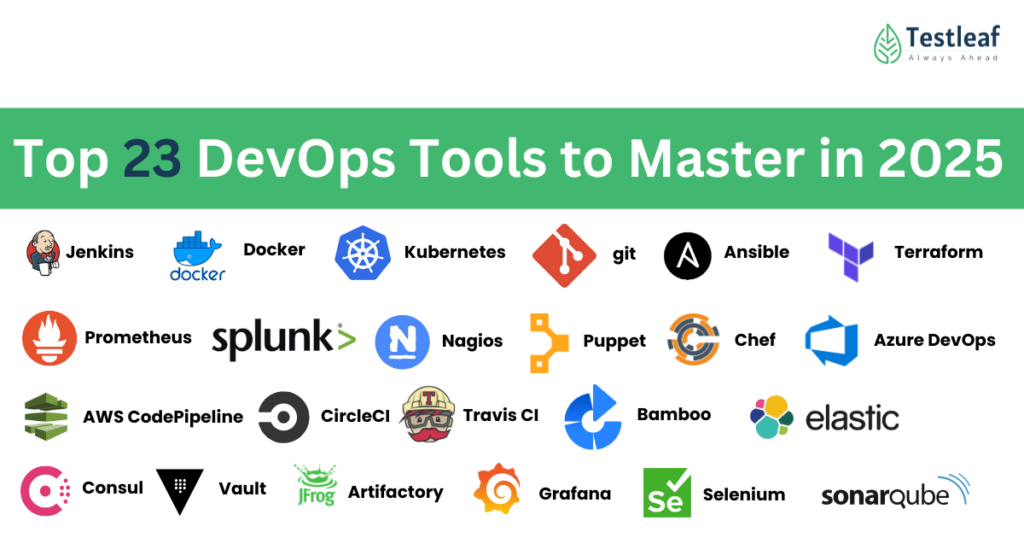
- Defining environments using code (Terraform, ARM, CloudFormation, etc.)
- Ensuring parity across dev, test, and production
- Reducing “works on my machine” failures
The outcome is predictability, which is more valuable than speed alone.
3. Production Reliability and Observability
Contrary to popular belief, DevOps is not about deploying faster at the cost of stability.
DevOps Engineers:
- Implement monitoring and alerting strategies
- Design systems for graceful failure
- Reduce MTTR through automation and visibility
This responsibility overlaps with Site Reliability Engineering (SRE), and many modern teams blend both roles intentionally.
4. Security as a Continuous Practice
Security is no longer a final checkpoint.
DevOps Engineers embed:
- Vulnerability scanning
- Secrets management
- Policy enforcement
into pipelines and infrastructure workflows.
According to Gartner, organizations that integrate security into delivery pipelines reduce breach risks significantly compared to post-deployment security models.
5. Cross-Functional Enablement
One of the least discussed—but most important—responsibilities is enablement.
DevOps Engineers:
- Reduce cognitive load for developers
- Standardize workflows
- Enable teams to deploy independently
The best DevOps Engineers don’t become bottlenecks; they remove themselves from the critical path.
Further Exploration: automation testing interview questions
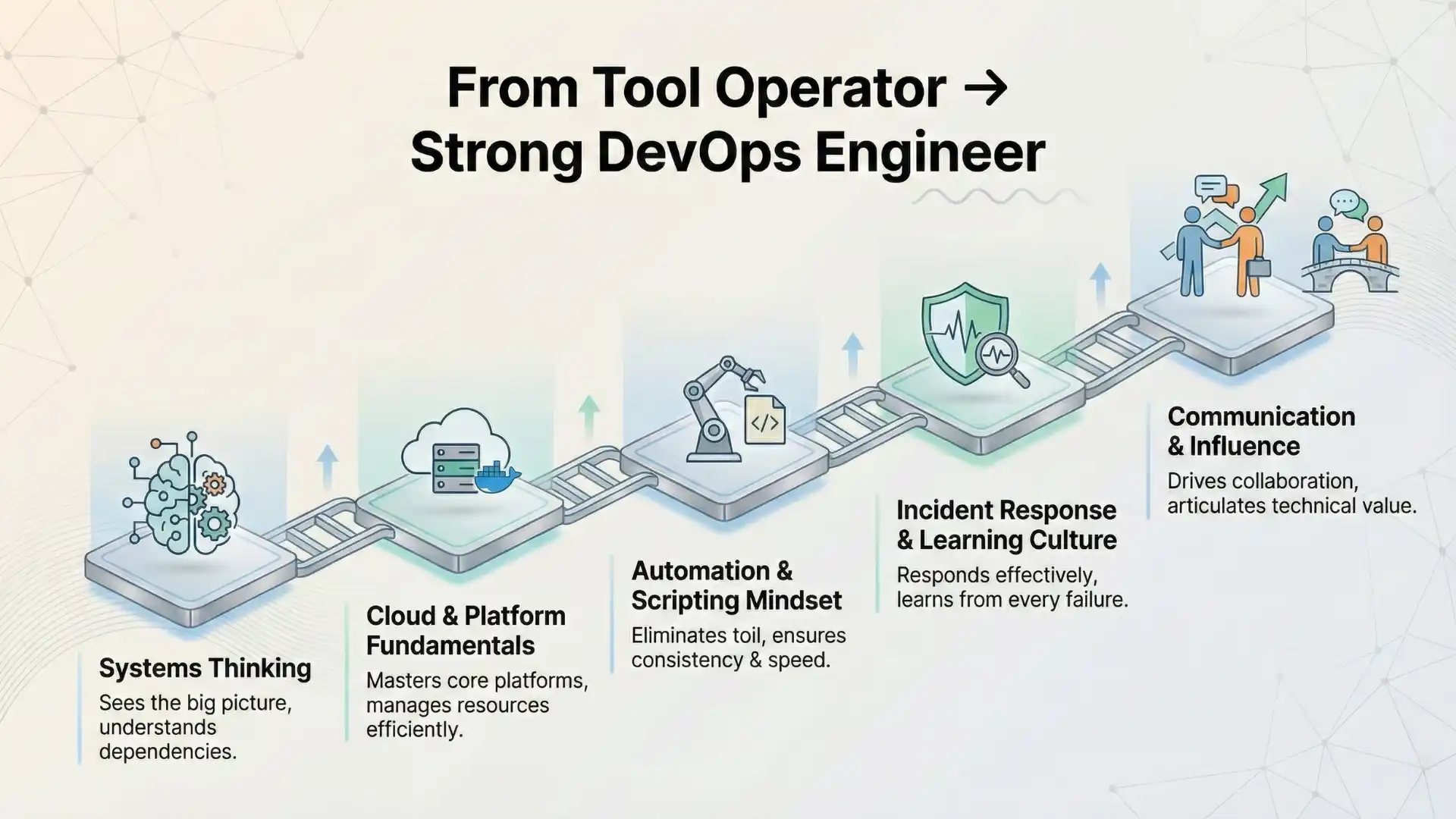
Skills That Separate Strong DevOps Engineers from Tool Operators
1. Systems Thinking
Great DevOps Engineers understand how failures propagate across systems.
They think in terms of:
- Dependencies
- Blast radius
- Trade-offs
This skill remains relevant regardless of tools or platforms.
2. Cloud and Platform Fundamentals
Rather than memorizing services, strong engineers understand:
- Networking basics
- Compute and storage trade-offs
- Cost optimization principles
Cloud platforms change. Fundamentals don’t.
3. Automation and Scripting Mindset
Automation is not about writing scripts—it’s about eliminating repeatable human work.
Languages and tools evolve, but the automation mindset compounds over time.
4. Incident Response and Learning Culture
DevOps Engineers are deeply involved in:
- Incident reviews
- Root cause analysis
- Continuous improvement loops
Blameless postmortems and learning systems matter more than heroic fixes.
5. Communication and Influence
DevOps is a socio-technical role.
Explaining risk, negotiating trade-offs, and influencing teams without authority are career-defining skills—yet rarely mentioned in job descriptions.
Career Outlook: Why DevOps Skills Age Well
Unlike narrowly defined roles, DevOps skills compound across careers:
- Platform Engineering
- SRE
- Cloud Architecture
- Engineering Leadership
As organizations continue modernizing delivery systems, engineers who understand flow, reliability, and automation will remain in demand.
Final Thoughts: Learning DevOps the Right Way
DevOps is not a checklist role—it’s a capability-driven discipline that sits at the intersection of engineering, operations, and organizational design.
Before enrolling in a course on devops, professionals should look beyond tool coverage and certifications. The real value lies in understanding why systems fail, how reliable delivery pipelines are designed, and what trade-offs exist between speed, stability, and security. Tools will evolve, but these principles will remain relevant.
The most effective DevOps Engineers are those who can reason about systems end-to-end, automate with intent, respond to incidents calmly, and collaborate across teams without becoming bottlenecks.
At Testleaf, our approach focuses on building these long-term capabilities—not just short-term employability. Because in a field that changes every year, sustainable careers are built on fundamentals, not frameworks.
FAQs
1. What does a DevOps Engineer do?
A DevOps Engineer designs and maintains systems that enable fast, reliable, and secure software delivery by automating infrastructure, deployments, monitoring, and collaboration between teams.
2. Is DevOps more about tools or principles?
DevOps is fundamentally about principles such as automation, reliability, feedback loops, and collaboration. Tools support these principles but are not the core of the role.
3. What skills are most important for a DevOps Engineer?
Key skills include systems thinking, cloud fundamentals, automation, incident management, infrastructure as code, and strong communication across teams.
4. How is a DevOps Engineer different from a Cloud Engineer?
Cloud Engineers focus on cloud infrastructure, while DevOps Engineers focus on the entire software delivery lifecycle, including CI/CD, reliability, automation, and cross-team enablement.
5. Can DevOps skills remain relevant in the future?
Yes. DevOps skills age well because they are based on engineering fundamentals like system reliability, automation, and delivery efficiency—independent of specific tools.
We Also Provide Training In:
- Advanced Selenium Training
- Playwright Training
- Gen AI Training
- AWS Training
- REST API Training
- Full Stack Training
- Appium Training
- DevOps Training
- JMeter Performance Training
Author’s Bio:

Content Writer at Testleaf, specializing in SEO-driven content for test automation, software development, and cybersecurity. I turn complex technical topics into clear, engaging stories that educate, inspire, and drive digital transformation.
Ezhirkadhir Raja
Content Writer – Testleaf